
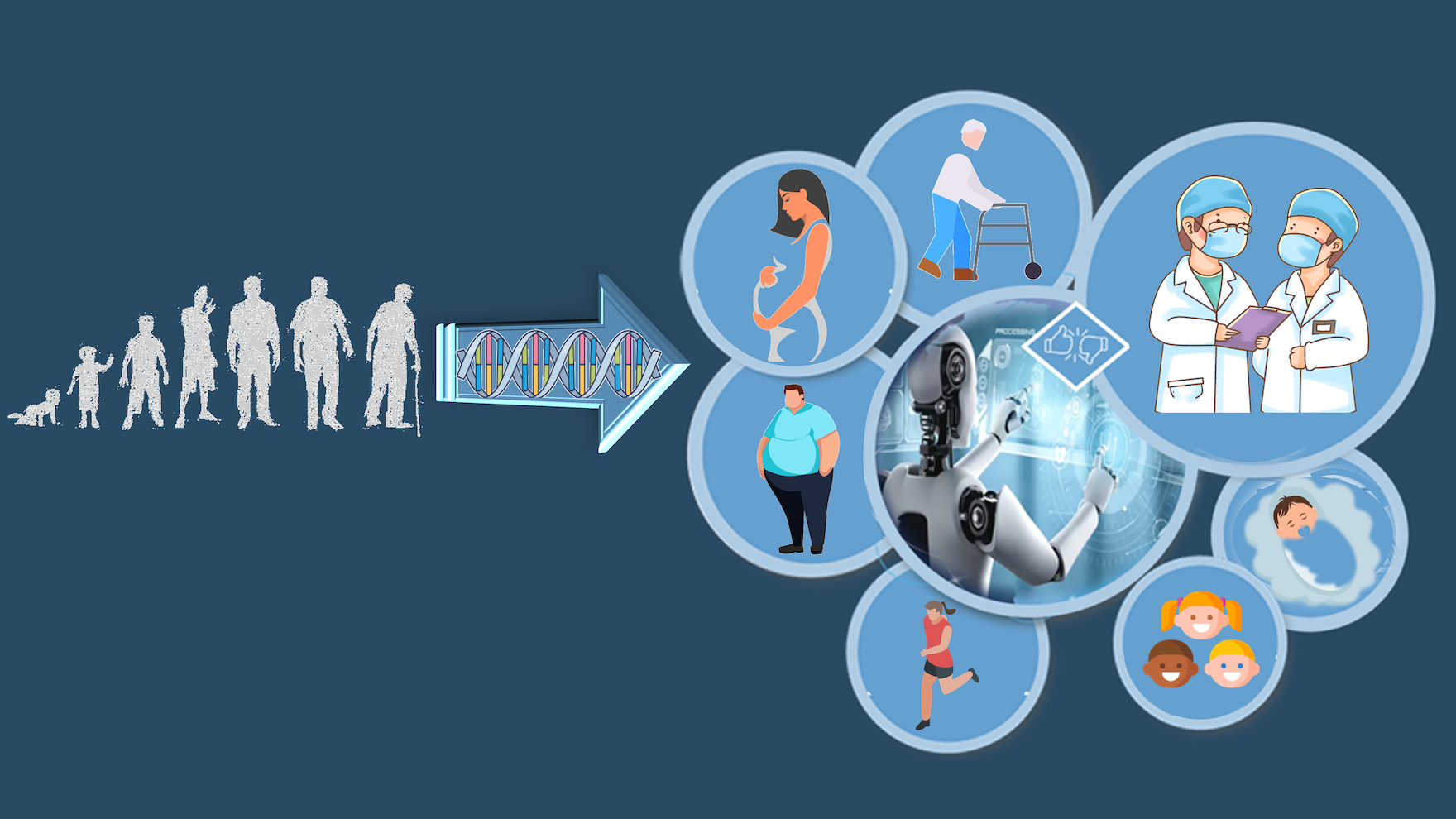
France stands at a turning point in its health history. Population aging, the rise in chronic diseases, and growing pressure on the national health insurance system highlight the limits of a model that remains too heavily focused on curative care.
A recent collective opinion piece calling for the decoupling of prevention from political timelines [available here] underscores a clear conclusion: France will not be able to sustainably improve the health of its population without committing to long-term choices and without a fundamental shift in paradigm.
It is now necessary to go beyond prevention in its traditional sense and to fully embrace the ambition of preventive and personalized medicine, based on an understanding of individual risks, anticipation, and the informed engagement of citizens.
Preventive and longevity medicine represents the next step, complementary to prevention and population health policies. It is emerging as one of the major medical revolutions of the coming decades and offers a strategic response to growing public health challenges.
By integrating genomics, biotechnology, and regenerative medicine, this approach enables ultra-personalized care: identifying risks earlier, tailoring therapeutic strategies, and ultimately improving the repair of tissues altered by aging.
Closely related to precision medicine, personalized preventive medicine aims to adapt prevention, diagnosis, and treatment to each individual’s unique biology. It relies on genetics, biomarkers, environmental factors, and lifestyle data to guide more refined and anticipatory medical decisions.
What the national survey reveals
The French Health Literacy Survey (HLS France 2020–2021, published in 2024) reveals a French paradox:
- a high average level of health literacy (77.5/100),
- yet 44% of adults have a limited level.
Source: Santé Publique France https://www.santepubliquefrance.fr/docs/litteratie-en-sante-rapport-de-l-etude-health-literacy-survey-france-2020-2021
Shortcomings are particularly pronounced when it comes to:
- navigating the healthcare system,
- assessing the reliability of medical and scientific information, especially online,
- actively participating in medical decisions by expressing preferences and trade-offs.
Or ces compétences sont indispensables pour passer d’une logique de prévention populationnelle à une médecine préventive individualisée, appuyée sur les données, le numérique et l’intelligence artificielle.
From prevention to preventive and personalized medicine
Traditional prevention often relies on general, sometimes normative messages.
Preventive and personalized medicine, by contrast, requires:
- understanding one’s own risk factors,
- interpreting individualized benefits and risks,
- the ability to choose and act before disease onset,
- informed dialogue with healthcare professionals.
Without health literacy, this evolution remains out of reach for a large share of the population and risks widening inequalities rather than reducing them.
A matter of equity and sustainability
Preventing earlier and more effectively is an essential condition for the sustainability of our healthcare system.
The survey confirms a strong social gradient: precarious living conditions, low socio-economic status, and chronic disease are all associated with lower health literacy.
Failing to invest in this lever means accepting:
- a two-tier system of preventive and personalized medicine,
- a lasting loss of opportunity for the most vulnerable populations,
- rising costs driven by late and poorly targeted care.
Conversely, strengthening health literacy creates the conditions for a healthcare system that is more effective, fairer, and truly oriented toward the long term.
Decoupling prevention from the political cycle… to enable preventive medicine
Prevention cannot be subject to electoral cycles. This requirement is even more critical for preventive and personalized medicine, which demands stability, long-term investment, and continuity in public policy.
This implies:
- a national strategy anchored in the long term,
- sustained investment in health education from early childhood,
- digital tools designed to be understandable and usable,
- training for all actors in contact with citizens, far beyond healthcare professionals alone.
Conclusion
Today’s challenge is to go beyond prevention and fully commit to the transition toward preventive and personalized medicine that is accessible to as many people as possible.
This reform of our healthcare system toward a more preventive model will not be achieved solely through legislation or technology.
It will also depend on citizens’ ability to understand, choose, and act for their own health.
Decoupling prevention from the political cycle also means investing massively and sustainably in health literacy.
This is a necessary and non-negotiable condition if France is to remain a country where people live long lives … and live them in good health.
Going further
These reflections will naturally be extended during the second edition of the conference “Prevention and Longevity: Building Tomorrow’s Healthcare System”, which will take place on February 5, 2026, at the Maison de la Chimie in Paris.
Beyond current political debates and budgetary trade-offs, this initiative is anchored in the long term, in response to the exhaustion of the curative model and the explosion of chronic diseases. While clinical solutions already exist, technology alone will not be enough: a new economic and cultural model must emerge.
As we like to say: “Tomorrow, we will go to the hospital because we are healthy… and to stay that way.”
📌 Program and registration : www.prevention-longevite.org

Fabrice Denis
He is an oncologist at the Clinique de l’Étoile in Le Mans and co‑founder of that institution; he is a key figure in health‑care innovation in digital technology. He serves as President of the Institute for Smart Health (INeS) and Director of the Institut de Prévention Astrium. A pioneer of digital platforms for prevention and a recognized expert, he holds several university‑degree titles from the National Conservatory of Arts and Crafts in Paris and is an e‑health advisor to French authorities. He co‑authored the first international recommendations on e‑health tele‑oncology, and designed 20 digital health applications—including France’s first reimbursed e‑health app. He also co‑founded the startup Kelindi and serves on the scientific advisory boards of Future4Care, MedinTechs, and other research groups.
Hicham Temsamani
Hicham Temsamani is a biomedical engineer with extensive international experience in the health sector. After a career at the French National Space Agency (CNES), and then at Panasonic, Cisco, Cardinal Health, AWS and Google Cloud, he founded H.B.T Group France – his strategic consulting firm specialized in digital transformation for healthcare organizations. Passionate about innovation and prevention, he also hosts scientific conferences focused on preventive medicine and longevity.